
Photography Anchors
And how to make work that feels truly yours

For a long time, my street photography process was random. I didn’t have clarity on what I’m drawn to and my process was largely based on luck. I would go out, keep shooting stuff and hope that something clicked later.
The result is that my work also felt random which would lead me to feel disconnected from my own work. I had some happy accident shots that I still like today, but I wasn’t working towards any coherent body of work. I’m not sure I even realized it at the time.
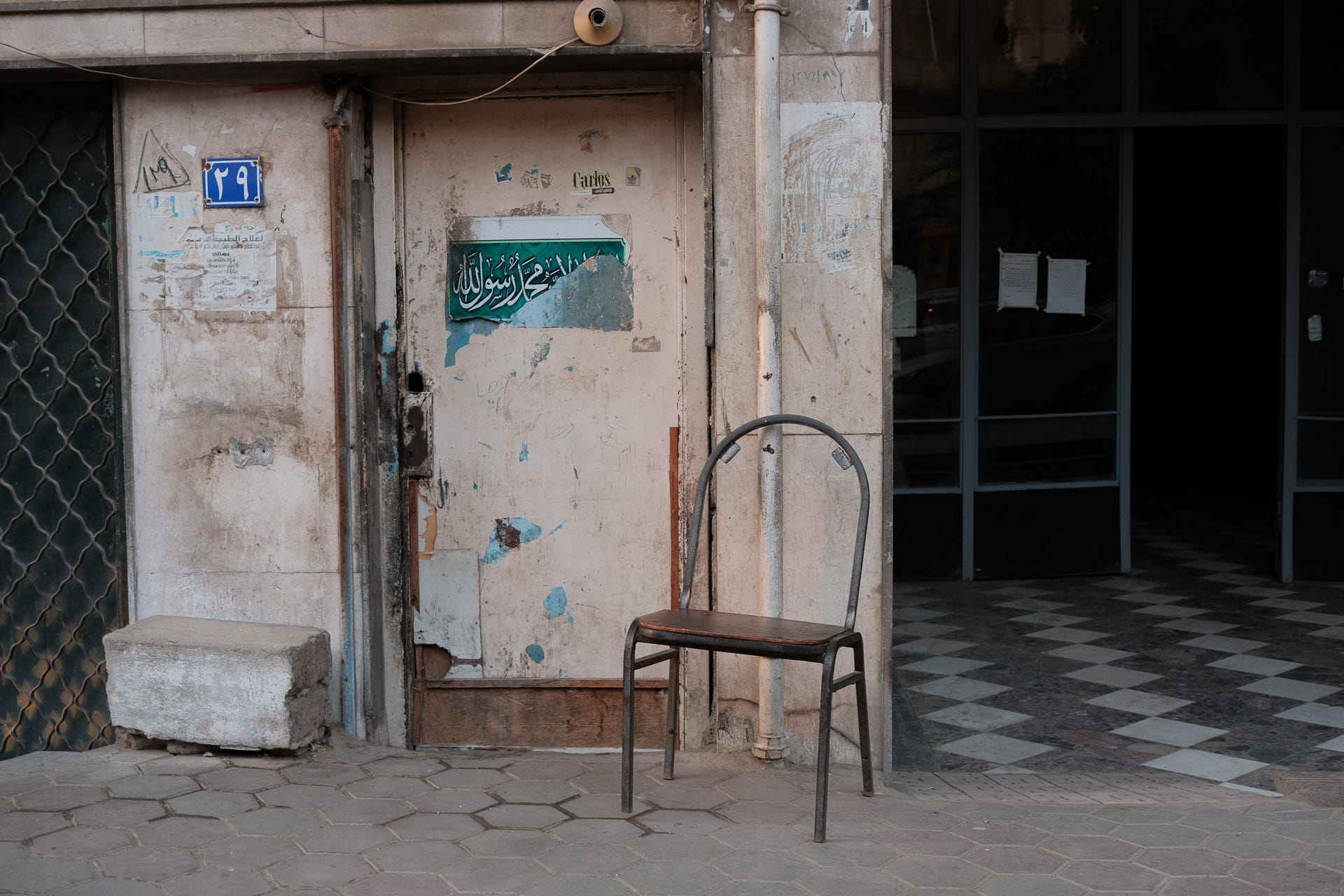
Two years ago, I was on an early morning photo walk in Cairo, in the neighbourhood where I’d lived for most of my life. On that photo walk, I noticed for the first time just how many chairs were scattered in the streets. Over the next few days, and even until today, I am more likely to notice random chairs in the streets of Cairo, or elsewhere.
I spent a few days photographing those chairs and it became an important moment in my photography journey. Not because the photos themselves were ground breaking (although I like them), but because i learned about an important concept that would later transform the way I photograph.
It’s the idea of photography anchors. Anchors are the recurring subjects or elements you keep coming back to, often unconsciously. Once I noticed the chairs, I started looking back at my previous work more closely. I realized that I had a few that I keep coming back to: reflections, shadows of myself, plants growing in concrete…
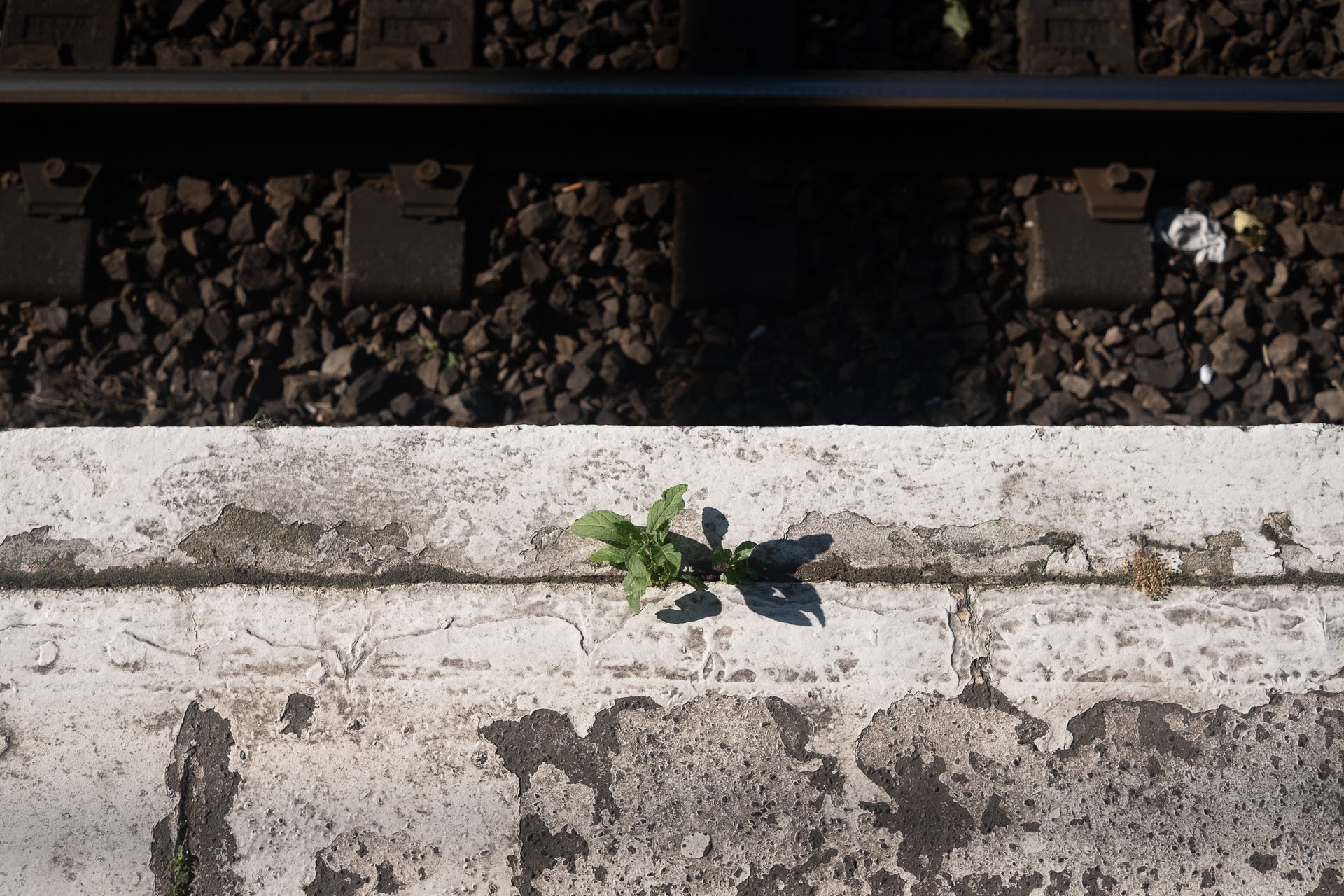
This awareness made me notice these elements even more when I am out shooting, and my work became more coherent as a result. Instead of hoping for lucky shots, I began photographing intentionally around those anchors that I initially intuitively gravitated towards.
Look at the work of photographers with a recognizable style, and you’ll see those recurring anchors. Saul Leiter photographed many reflections and foggy windows. Fan Ho shot many dramatic shadows and silhouettes. These recurring elements create continuity across their body of work.
At this point, some of you might dislike this idea. Maybe you’re thinking “I don’t want to be put in a box and be stuck photographing the same thing forever. This is particularly true for social media where there’s pressure to be known for a particular subject or style. And once your audience expects that from you, it can be difficult to depart from it.
What I learned is that anchors are not constant, they evolve as you personally evolve and change.
My earlier photography was more orderly, symmetric, and careful. I didn’t want any noise in my foreground. I respected the rule of thirds. Over time, chaos took more and more space. Instead of clear frames, I started being drawn to abstraction, confusion, and layers.
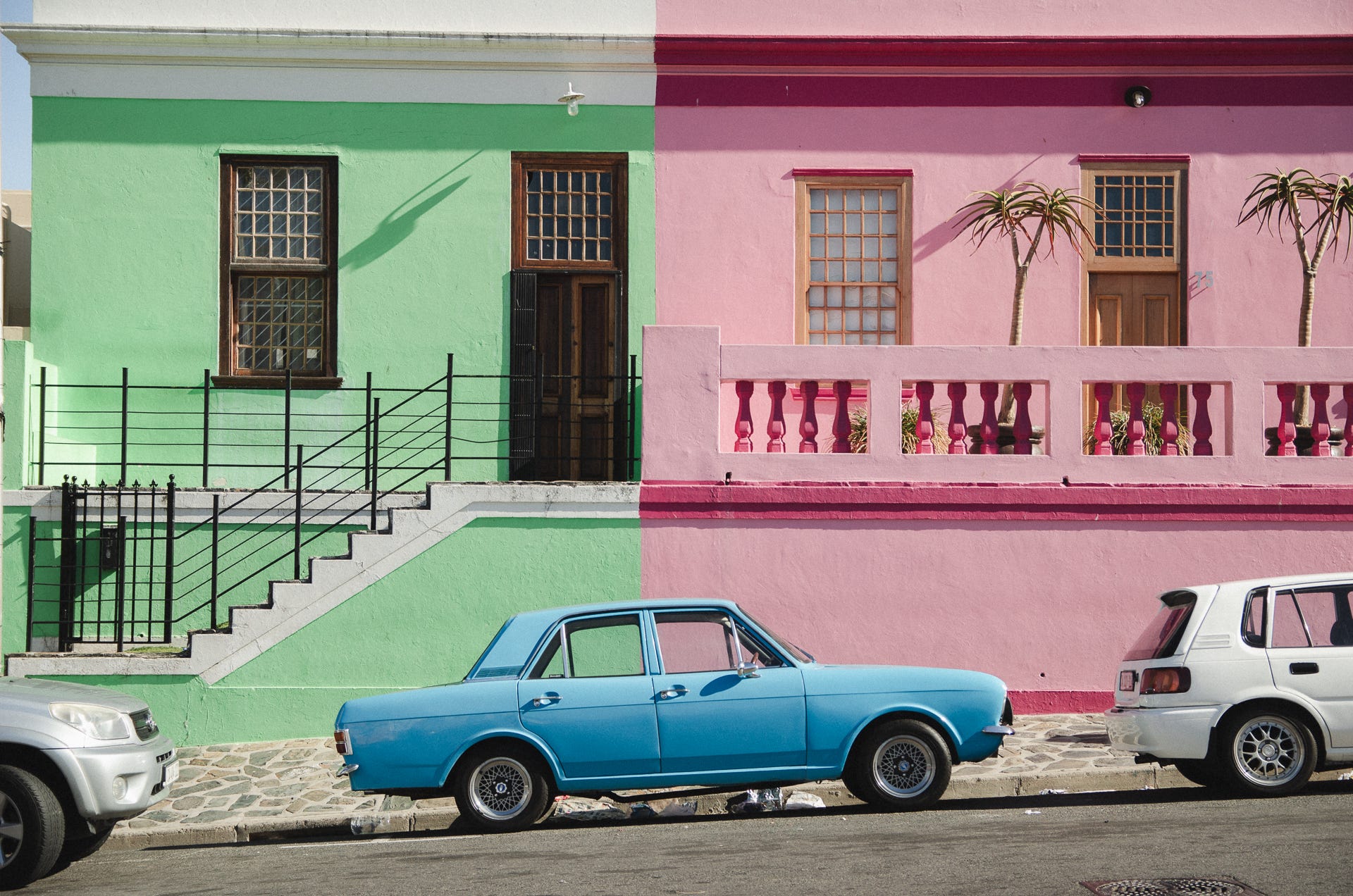
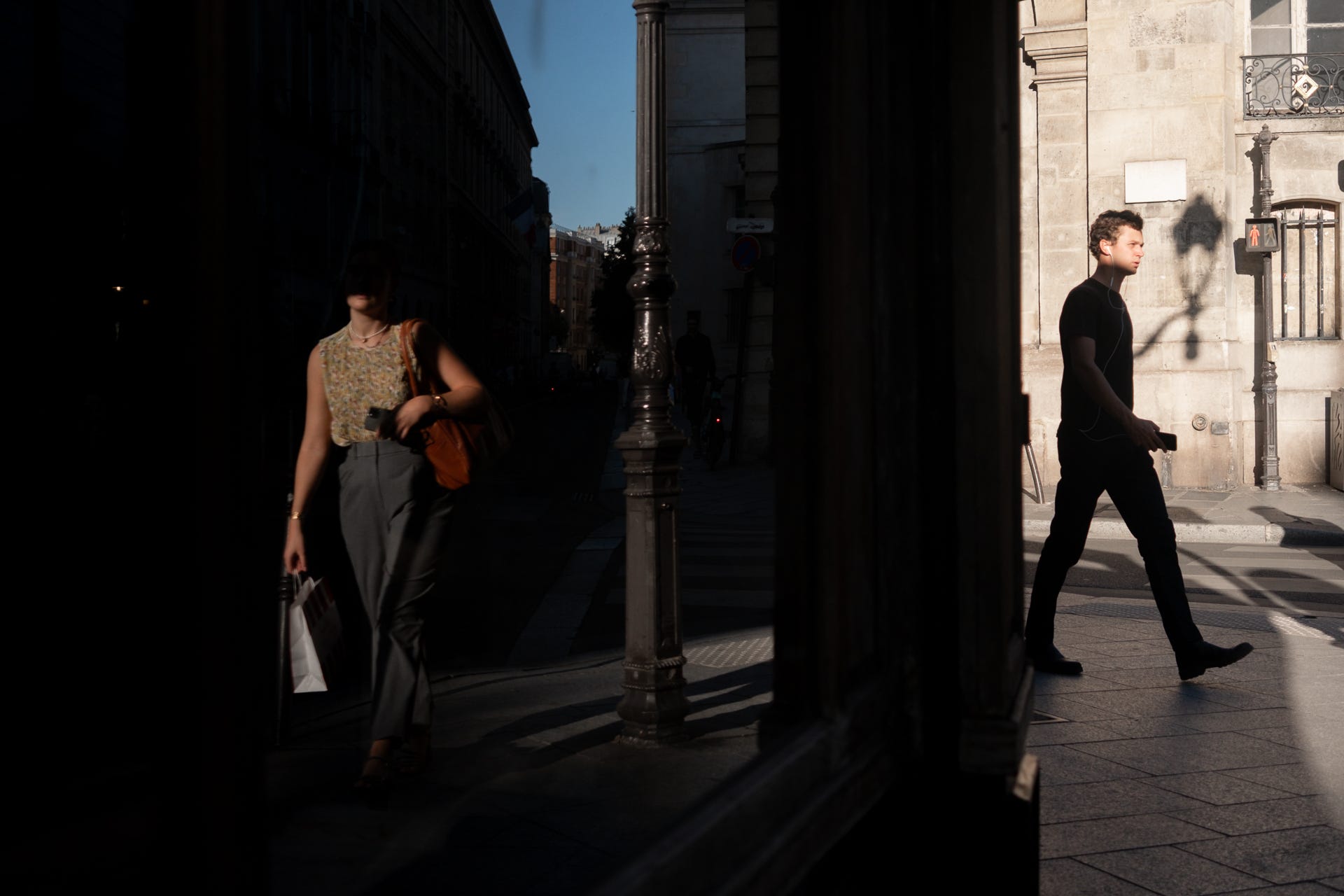
If you want an even better example of changing styles, look at the evolution of Joel Meyerowitz’s work: from fast paced street moments in New York to more contemplative quiet landscapes. It’s a complete shift in visual language between two periods of his life, each coherent with his personal situation.
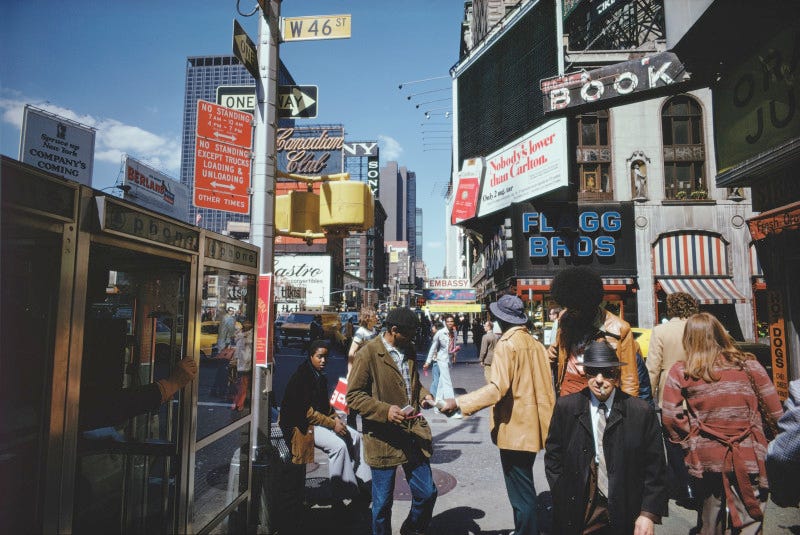
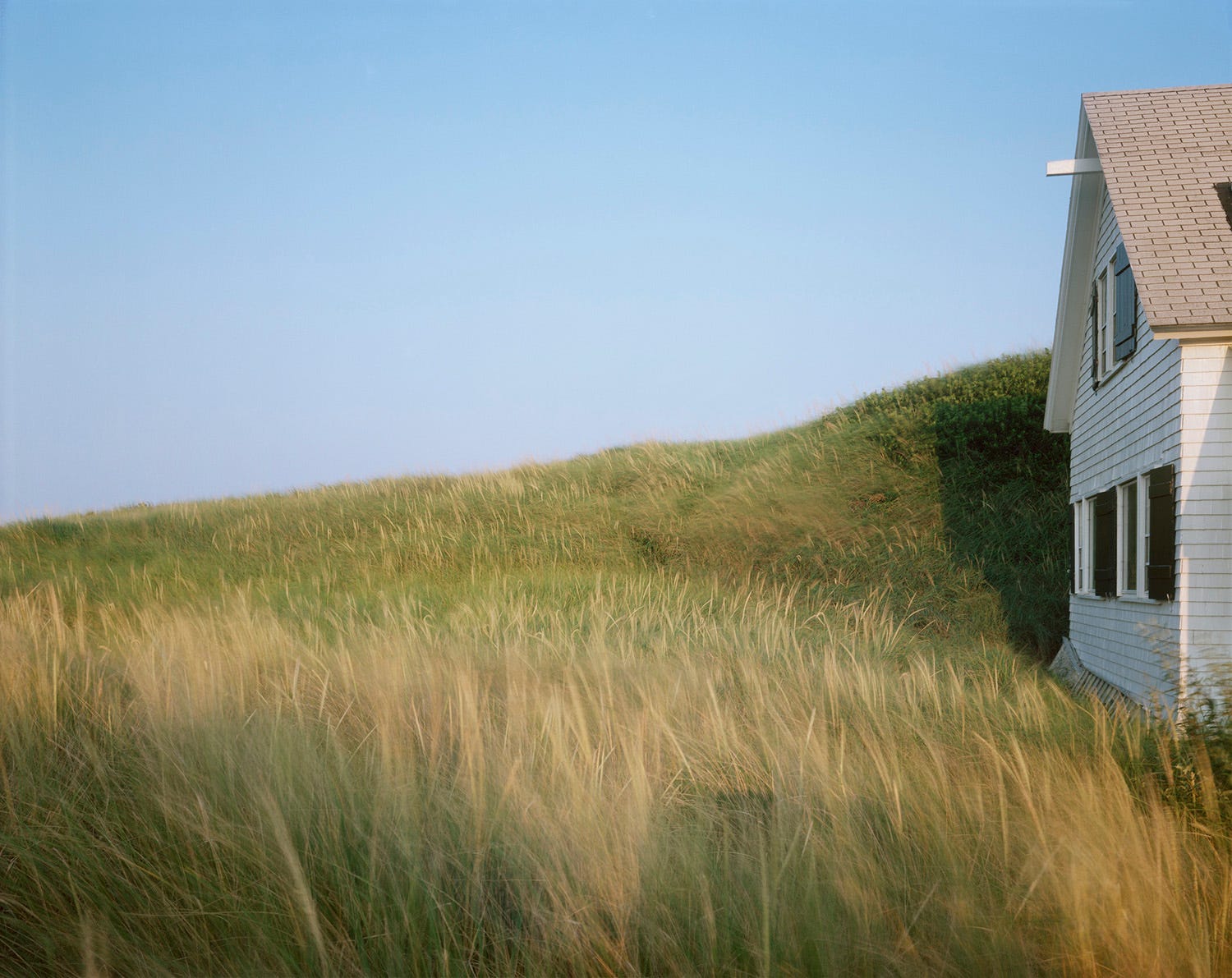
The idea isn’t necessarily to stick to the same anchors forever but to work with your intuition instead of against it. When you know what you’re naturally drawn to, you reduce the doubtful voice in your head. You stop trying to make work that looks like someone else’s. Instead, you shoot with more intention because you’re following a thread that’s actually yours.
In my upcoming 4 week workshop, we go deeper on this topic and other frameworks to become more intentional with photography. If this resonated, you can find more details following the link below.